
OnlyFans runs on two pricing models that look simple on the surface and behave very differently over time. Free pages charge nothing to follow, paid pages sit between $4.99 and $49.99 per month, and the gap between those two structures is where budget fatigue quietly builds. This article answers one question directly: how do you know when a free page has become more expensive than a fixed plan would have been? The answer is cumulative tracking — PPV unlocks, tips, and paid chat measured against a controlled subscription price. BestOnlyFans has built its ranking methodology around this exact comparison, and the signals below come from that framework.
The mechanics come before the psychology. A free page sets its base price to $0 and earns through PPV messages, tips, and paid chat. A paid page charges a base rate, the creator keeps 80% after the platform’s 20% fee, and more content is usually bundled into the subscription itself. That structural difference is what makes the two models hard to compare at a glance.

How OnlyFans Free Pages Reset Subscriber Expectations
The paid tier runs from $4.99 at the minimum to $49.99 at the maximum, though most creators cluster between $5 and $10. Free pages remove the entry barrier entirely, and that single change alters how spending gets accounted for during the month. BestOnlyFans refreshes its rankings every month.
- Sunk cost identification: after several small unlocks, subscribers rationalize continuing because money has already gone to this page.
- Price anchoring to $0: the base price becomes the reference point, so every extra charge reads as an add-on instead of the real cost.
- Incremental purchase normalization: repeated small transactions stop registering as spending decisions at all.
- Tip escalation patterns: tips can reach $100, and gradual increases rarely trigger the same resistance as one large charge.
- Frequency illusion from notification volume: frequent PPV messages make the practice feel routine rather than notable.
Paid chat commonly runs $3 to $5 per message, which compounds the same effect. Three short conversations per week can exceed a mid-tier subscription before the month is half over.
These mechanisms work because each individual decision looks minor at the moment it is made, and no single charge feels worth questioning. The aggregate is what matters, and the aggregate rarely gets checked in real time.
The Accumulation Pattern: Tracking PPV Spend Against Paid Alternatives
Comparison needs a consistent unit. Total every free-page expense for one calendar month — PPV unlocks, tips, paid messages, and any PPV above the subscription on a paid page — then place that figure beside the price of a fixed plan delivering comparable access.
The BestOnlyFans ranking card framework treats this as price benchmarking. For each creator, note the base subscription rate, the observed PPV frequency, and the typical unlock price, then model what a month of engagement costs under each model. Cards showing high PPV density against a low base price are the ones most likely to produce fatigue.

| Spending Pattern | Monthly Free Page Cost | Equivalent Paid Subscription | Crossover Threshold |
|---|---|---|---|
| Minimal PPV user | $8 | $4.99 plan | Crosses at roughly 2 unlocks per month |
| Moderate PPV user | $22 | $9.99 plan | Crosses at 4 to 5 unlocks per month |
| Heavy PPV with tips | $55 | $14.99 plan | Crosses in the first week |
| Mixed free plus paid | $38 | $12.99 plan | Crosses when free spend passes $15 |
Read the table left to right and the pattern holds: the lower the base price, the faster cumulative spending outpaces it. Someone unlocking four $10 messages has spent $40 for access a $9.99 plan might include outright.
The tracking itself changes behavior. Subscribers who write down every unlock tend to pause before the next one, not because the content stopped being interesting but because the running total is finally visible.
Tip: log each unlock the moment it happens. Reconstructing a month of PPV spending from memory is unreliable, and the refunded $0.10 verification hold often gets miscounted as a charge when statements are reviewed later.
Six Warning Signs Your Free Page Budget Is Drifting
These six ranked indicators show a free page strategy has moved past its intended boundary.
- Weekly PPV total exceeds $10. Four weeks at that rate is $40, well above most base tiers.
- Tip requests become harder to decline. Social obligation replaces content interest as the purchase driver.
- Wallet reloads increase in frequency. Two reloads in one week suggests the funding cap is too high or missing.
- Spending is hidden from personal tracking. Skipping the expense category is a strong fatigue indicator.
- Emotional reactivity drives purchases. Unlocks triggered by a notification rather than a decision are the costliest kind.
- Monthly review anxiety appears. Dreading the total is the clearest sign the model is not working.

Two or more of these signals within the same month justifies a formal cost comparison rather than another informal guess. The pattern matters more than any single instance, because one expensive week can happen to anyone.
Conversion Math: When PPV Density Exceeds Monthly Subscription Value
The crossover calculation is straightforward arithmetic. Multiply PPV frequency by average unlock price, add tip and paid chat totals, then compare the sum to a fixed plan in the $4.99 to $15 band.
| PPV Frequency | Average PPV Price | Monthly Total | Paid Plan Alternative |
|---|---|---|---|
| 2 unlocks | $5 | $10 | $4.99 to $9.99 plan is cheaper |
| 4 unlocks | $8 | $32 | $9.99 to $14.99 plan is cheaper |
| 6 unlocks plus $15 tips | $10 | $75 | Any standard plan is cheaper |
| 3 unlocks plus paid chat | $6 plus $12 chat | $30 | $9.99 plan is cheaper |
PPV messages unlock up to $50, so one high-priced message can outspend an entire month of a base subscription at the minimum rate.
- Light user at $5/month: stays below every paid tier and can remain on free pages without penalty.
- Moderate user at $10/month: sits exactly at the boundary where a $9.99 plan starts to win.
- Heavy PPV user at $25/month: already paying more than mid-tier plans that bundle the same content.
- Mixed free-plus-paid subscriber: double-counting both models and usually overpaying for overlap.
- Annual bundle equivalent: multiplying monthly free spend by twelve exposes the full yearly figure.
Calendar-Based Spending Reviews for Zero-Dollar Pages
Schedule it the same day each week, ideally before any renewal or wallet top-up.
- Check the current wallet balance and note the last reload date.
- Tally all PPV receipts for the past seven days.
- Compare that total against the cheapest paid alternative at $4.99.
- Verify the creator still posts at a rate that justifies the spend.
- Assess whether unlocked content matched expectations.
- Flag any purchase made within five minutes of a notification.
- Set next week’s hard cap and record it in the tracking sheet.

The $0.10 card verification hold is refunded within days, but it appears on statements and can be mistaken for a charge. Confirming it separately keeps the tally accurate.
A curated best only fans list lets subscribers compare base prices and observed PPV behavior before following, which reduces wasted unlocks on pages that turn out not to match their interests.
Restoring Budget Discipline Without Losing Content Access
Scaling back does not require abandoning creators. Graduated techniques preserve access while capping exposure.
- PPV cooling-off periods: wait 24 hours before unlocking anything above $10.
- Dedicated wallet funding limits: load a fixed sum monthly and stop when it runs out.
- Creator shortlist reduction: maintain three to five active pages rather than a long tail.
- Alternative discovery via ranking filters: filter by price and activity to find pages matching your budget shape.
- Deliberate paid subscription substitution: for high-PPV creators, switch to the paid tier where content is bundled.
Substitution is often the most effective step. A creator with frequent $8 unlocks becomes substantially cheaper at a $9.99 subscription when the same material is included.
Payment security deserves attention alongside discipline. Recognizing phishing attempts and never entering card details outside the platform protects both the budget and the account. Unsolicited messages offering free unlocks in exchange for payment details follow a standard fraud pattern.

Long-Term Subscriber Trajectory: Free Entry to Paid Conversion
Many creators eventually convert a free page to a paid model or add a paid tier alongside it. When that happens, the price is set within the $4.99 to $49.99 range, and promotional first months can sit below $4.99 — a $3 first month, for example. Base prices cannot go below $4.99.
One rule catches subscribers off guard during a price change: when a creator raises the price, auto-renew stops automatically and existing access lasts until the paid period ends. Nothing charges silently in the background. Tracking how that shift plays out over a year is easier when you compare cumulative PPV totals against the new fixed rate side by side.

A subscriber spending $35 per month on PPV under the free model often finds the converted paid tier cheaper immediately. Building a monthly budget that includes the new fixed line item makes the comparison visible rather than assumed. Reviewing the conversion against three months of historical PPV totals usually shows a net reduction.

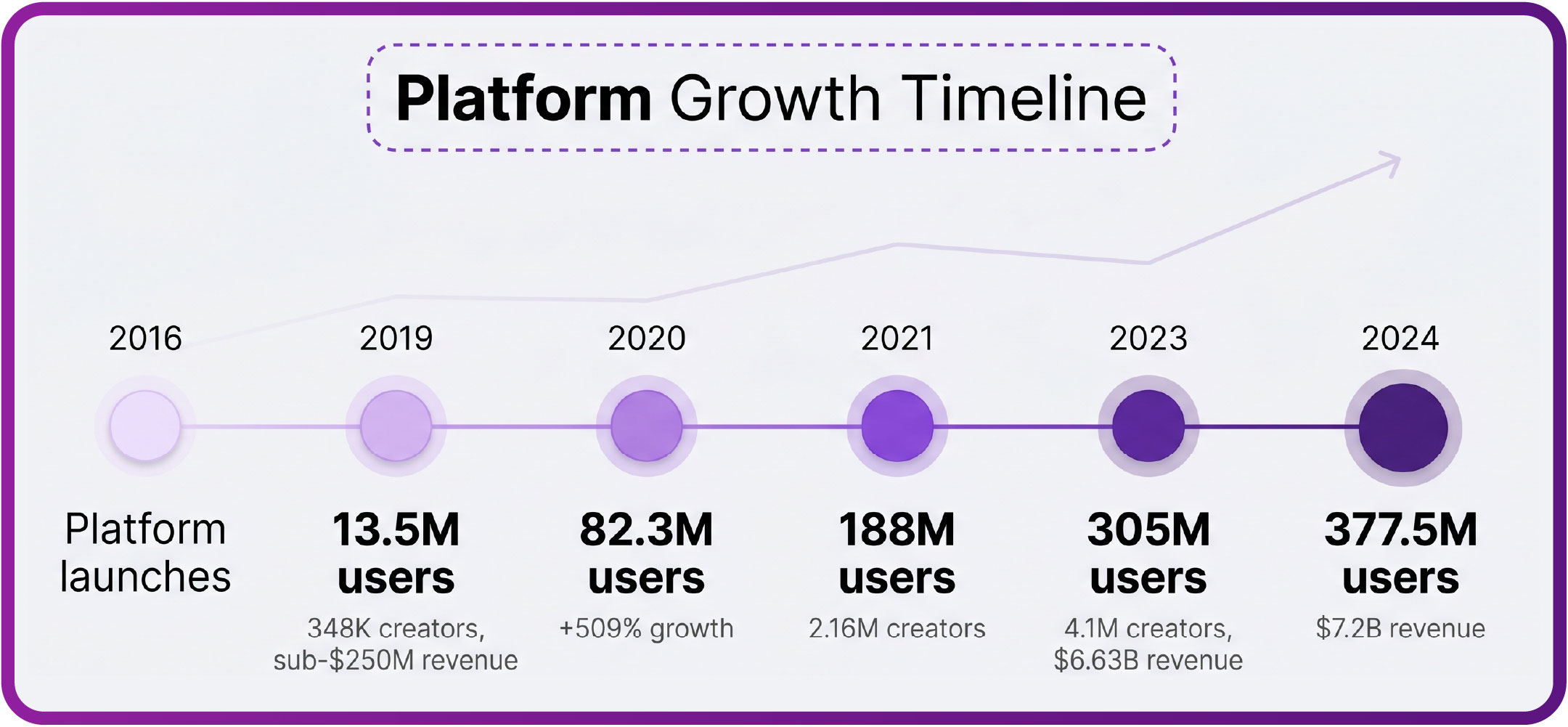
Trajectory matters here. Yearly user growth has expanded the supply of pages considerably, and more available pages means more chances for scattered small purchases. The question is not whether free pages are inherently expensive — it is whether your usage pattern has crossed the line where a fixed plan costs less for comparable access.
FAQ
How does OnlyFans auto-renewal behave when I switch from a free page to a paid subscription?
When you subscribe to a paid page, the subscription renews monthly at the stated rate unless you cancel. If the creator later raises the price, auto-renew stops and your existing access continues until the current paid period ends.
Can I set hard spending limits on OnlyFans PPV purchases through my account settings?
The practical substitute is controlling wallet funding: load a fixed monthly amount and treat an empty wallet as the limit.
What happens to my wallet credits if I stop using free pages and switch to paid subscriptions only?
Wallet credits remain on the account and can be applied to paid subscriptions, PPV unlocks, tips, or paid chat regardless of which page type you use.
How do ranking cards indicate which creators are likely to generate high PPV costs?
Ranking cards typically display the base subscription price alongside observed PPV frequency and typical unlock pricing. A card showing a $0 base with frequent PPV messages signals a higher cumulative cost profile than a card with a modest paid rate and bundled content.